Blog

  • Your EDC flashlight

    It was a dark stretch of I75. My family and I were headed to Christmas Midnight Mass. The weather was unseasonably warm, quite a contrast to the year before when temperatures were near 0° and patches of ice made the interstate treacherous.

    Traffic was light and moving normally. Suddenly, the vehicle directly in front of us, though well ahead, swerved violently to the left, then over-corrected to the right and lost control. We found out later the driver was trying to avoid striking a coyote that was running across the interstate. The sedan skidded in reverse towards the right shoulder, launching 50 yards or so into the low brush and partway up the hillside before coming to a stop.

    I slowed our vehicle and pulled onto the shoulder. I couldn’t tell exactly how bad the wreck was, so I grabbed my trauma bag and jogged back along the shoulder to the scene. A few other drivers had stopped to check on the wreck. Fortunately, the occupants of the vehicle were uninjured, and without any other reason to remain onscene, I got back to our vehicle and continued on our drive. Interstates are not a safe place to be stopped, even on the shoulder, and I didn’t want to stick around any longer than necessary.

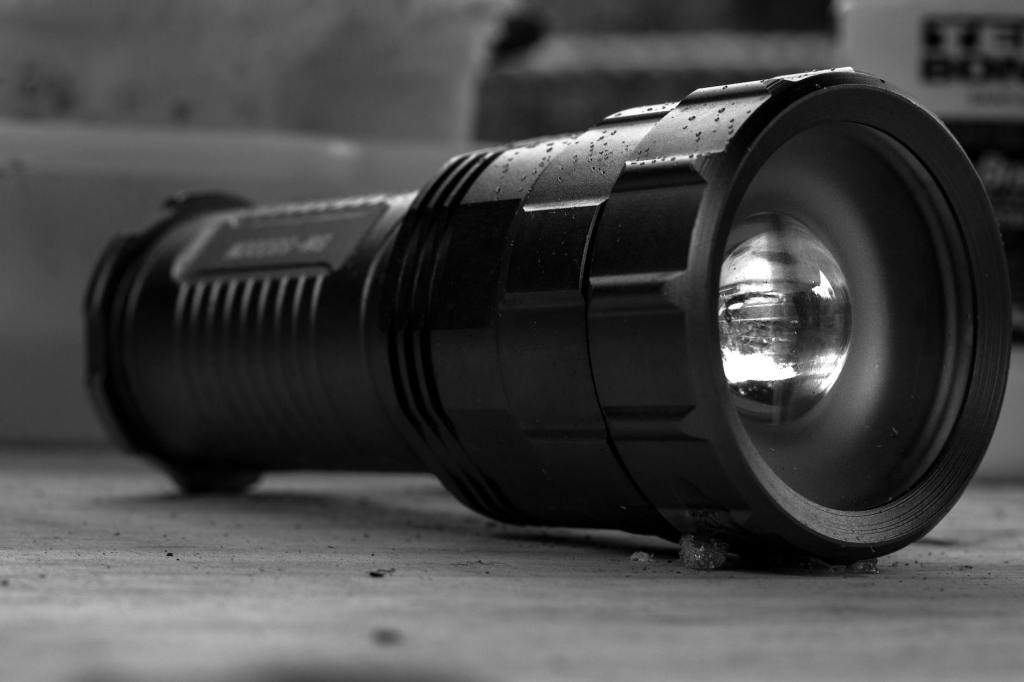
    I carry a large flashlight in my truck, but only had my EDC flashlight with me that night. I remember that it wasn’t much light for how dark the night was and with the vehicle a ways off the road in the brush. Still, it was better than nothing. Had the occupants of the vehicle needed emergency care, my EDC flashlight would have provided enough light  for me to operate around/in the vehicle safely and render aid. Any light is better than no light!

    What should you look for in an EDC flashlight? First, it needs to be comfortable enough to carry, rugged, and reasonably powerful. I’ve been carrying a Streamlight Stylus Pro penlight for several years. At 100 lumens, it’s plenty bright for most applications, and it’s small enough to easily carry with the included pocket clip. I use mine so frequently throughout the day on and off duty that I’m pretty much lost without it. I’ve misplaced a couple over the years, but at its price point ($20) it’s not the end of the world. Honestly, the worst part about losing one is that it’s usually developed a nice patena finish from a couple years of carrying it around at about the time I misplace it. There are rechargeable options, of course, or you can stick with disposable batteries. I personally use the non-rechargeable Streamlight.

    What’s your choice for an EDC flashlight?
  • Your EDC Cell Phone

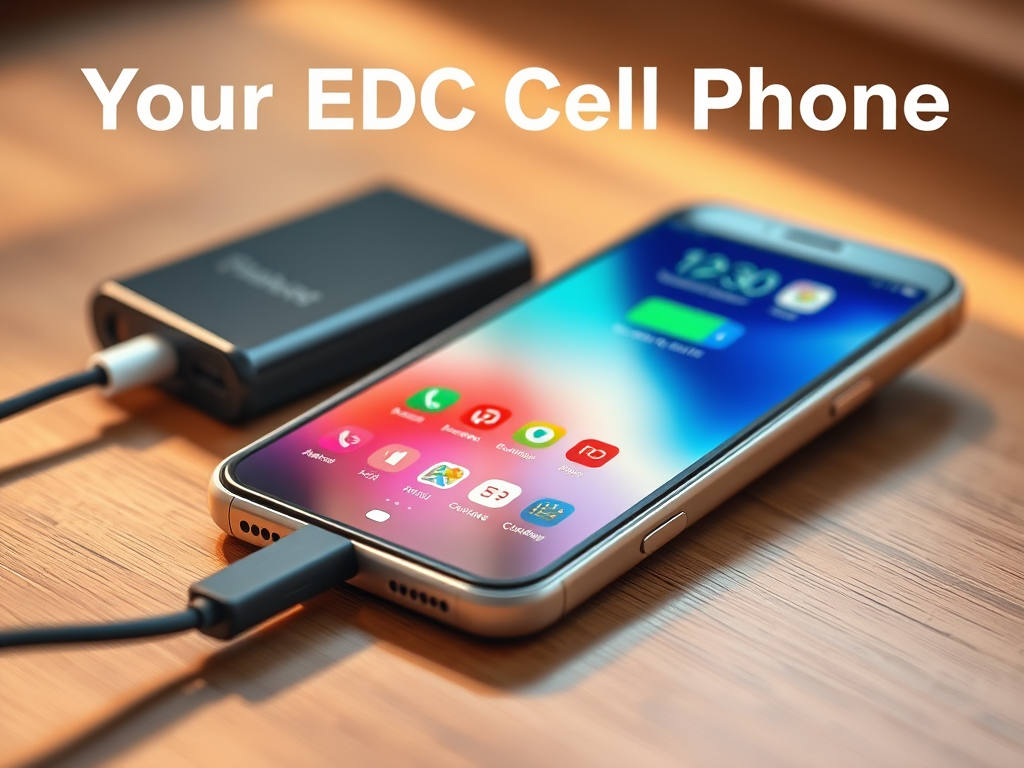
    Your EDC Cell Phone

    Highlighting carrying a cell phone as part of your EDC might seem redundant, given not only how ubiquitous they are, but also the fact that pretty much everyone is a subject matter expert in their use. Everyday use, at least. But how many of us optimize our phones for emergency use? Let’s look at some ways we can make sure our phones perform when it matters most.

    Probably the most important thing to remember when it comes to keeping your cellphone ready for emergencies is keeping it charged. Christian Craighead is a former British SAS operator who played a critical role in the response to the 2019 Nairobi terror attack. Speaking on the Shawn Ryan Show, during the EDC segment (one of my favorite segments of every SRS episode) Christian said one of his preparedness habits is to take every opportunity to charge his cell phone. Having a charged cell phone was crucial in his ability to communicate with other responders during the Nairobi attack. Much like keeping the gas tank in your personal vehicle above half at all times, when your phone gets to 25%-50%, throw it on the charger. You don’t want to reach for your phone in an emergency only to find it at 1% because you were scrolling on TikTok for too long.

    Most of the time, charging your phone is going to be as simple as plugging it up to a standard USB-type charging cable and power cube. However, it’s a great idea to pick up a portable battery pack “pocket juice” style charger. Not only are they super convenient, but they’re perfect for recharging your phone in power outages or whenever you find yourself without access to normal grid power.

    Beyond making sure you keep your phone charged, consider downloading apps that you can use to receive alerts for severe weather and other hazardous situations. Most phones now are configured to receive Wireless Emergency Alert (WEA) messages for your specific location, but apps like the Red Cross “Emergency” app are useful for staying aware of a wide range of alerts in areas that you can specify outside of your current location (for example, you can choose to receive alerts for your family’s home location while you’re away at work, etc.)

    In addition to communication, your phone is also a powerful tool for orienting yourself if you become lost. Keep in mind that even without service, you can use your phone to view your location. You can do this using Google Maps, or a more powerful app like Gaia GPS.

    It’s easy to take a device that you use everyday for granted, but remember that your cell phone is one of the most powerful tools in your EDC arsenal!

  • Everyday carry (EDC)

    Everyday carry, or EDC, is definitely all the rage within the preparedness community. Your EDC can be as simple as your wallet and keys, or as high speed as the latest GPS smartwatch, a top of the line folding knife, a fully accessorized handgun, a tactical flashlight, etc.

    Everyday Carry can also extend to your vehicle, which is a great place to keep additional preparedness items that would definitely be good to have if things get sporty but are too extensive or bulky to carry on your person.

    But let’s start with on-person EDC. What items are pretty much non-negotiable? For me they would be the following:

    Cell phone

    Flashlight

    Folding knife

    Wallet

    Keys

    Handgun

    Some additional items that I usually also wear/carry are a smart watch, tourniquet, and pair of nitrile medical gloves (no, I don’t want to touch you with bare hands while you’re bleeding out, overdosing, or whatever calamity you get yourself into).

    That’s pretty much it for my on-person carry. I’ve got more goodies within arm’s reach (or a few quick steps) in our home, my truck, and my wife’s vehicle if shenanigans escalate.

    My next blog posts will go through each EDC item and discuss the reason why carrying each of them is important, as well as some good  quality but affordable options.

    What EDC items do you carry on your person?

  • The mission of Everyday Preparedness

    It seems that the world of preparedness is heavy on content from creators that seemingly have an endless budget for acquiring tools, equipment, and the latest high speed gadgetry. Don’t get me wrong, I have tremendous respect for guys that have worked hard to put themselves in the place where they can afford this awesomeness. In fact, I totally plan to be in that place someday myself, but in the meantime it can be daunting trying to  balance being responsible and prepared in today’s world with not draining your bank account. That’s one of the major inspirations for creating the Everyday Preparedness blog. My goal is to bring down to earth, relatable content with affordable options for being the best prepared provider for your family and community that you can be. Not one day when you’ve got the finances for top of the line gear, but right now.

    From personal EDC and vehicle loadouts, backpacking and hiking gear to home emergency power solutions and even everyday tools and equipment, let’s look at some options within most everybody’s financial reach to start on the journey to being well-prepared.